
The exterior colour of your home is not just paint. It’s your home’s first impression.
In India, we don’t just build houses — we build homes that reflect family values, climate realities, culture, and sometimes even Vastu beliefs. I’ve seen beautifully designed homes look completely average just because the exterior colour choice was rushed.
If you’re searching for the best Indian simple house colour combination outside, this guide will help you choose confidently — whether you own a compact 2BHK, a duplex, or a modern villa.
Let’s break it down practically.
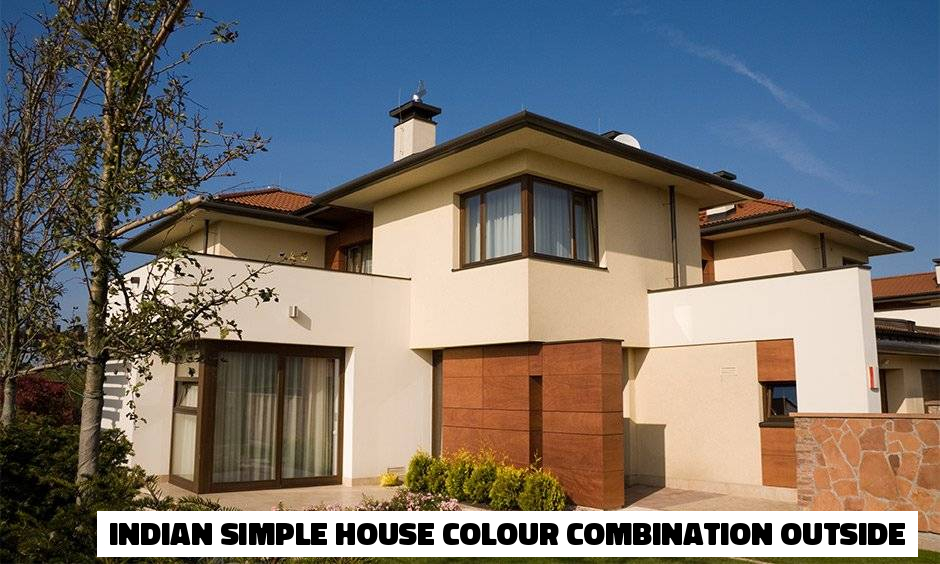
1. Cream & Brown – The Safe, Elegant Classic
This is one of the most reliable combinations for Indian homes.
Cream softens the elevation. Brown adds warmth and depth. Together, they create a grounded and welcoming look.
Where it works best:
- Independent houses in cities and towns
- Homes with stone cladding or wooden doors
- Traditional elevations with balconies or arches
Real-world insight:
In dusty regions like Nagpur, Pune outskirts, or Jaipur, cream hides dust better than pure white. Brown trims also prevent the “washed-out” look after monsoon.
Pro Tip:
Use darker brown only for borders and balcony railings. Too much brown can make the house feel heavy.
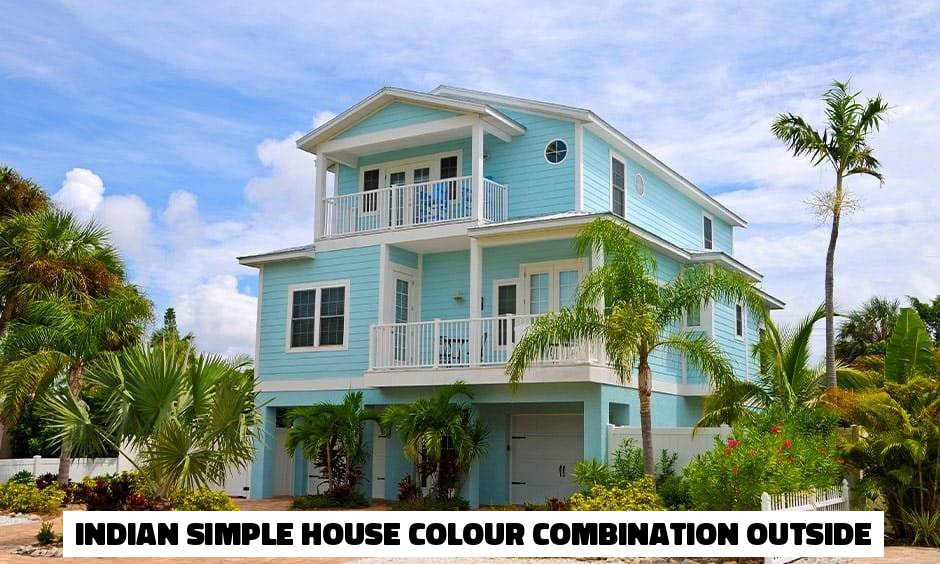
2. White & Blue – Fresh and Timeless
White and blue never really go out of style. It feels clean, bright, and slightly coastal.
Best for:
- Warm climate areas
- Homes with open terraces
- Compact houses that need a visual lift
White reflects heat. Blue adds character without overpowering the design.
Designer Tip:
Avoid very bright blue. Use muted navy or royal blue accents around windows and entrance columns.
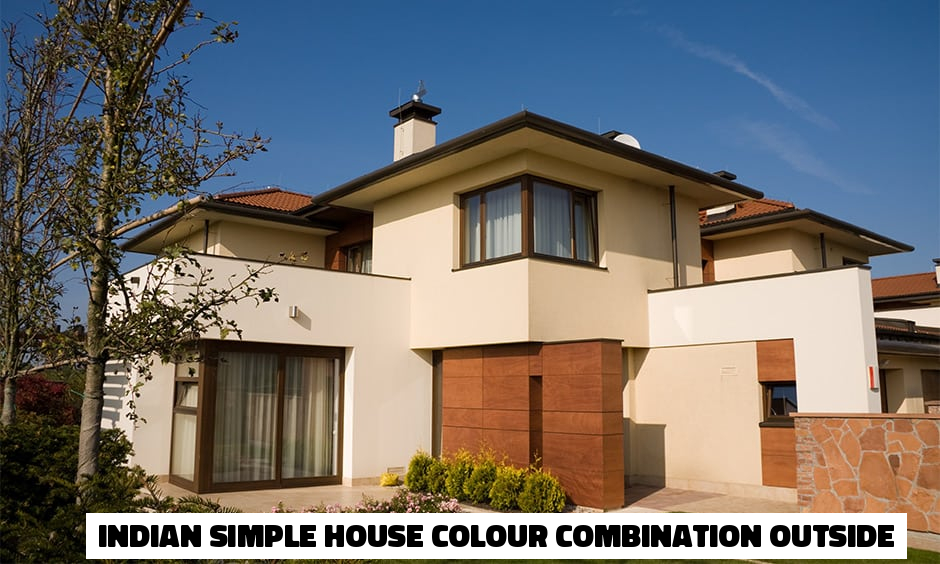
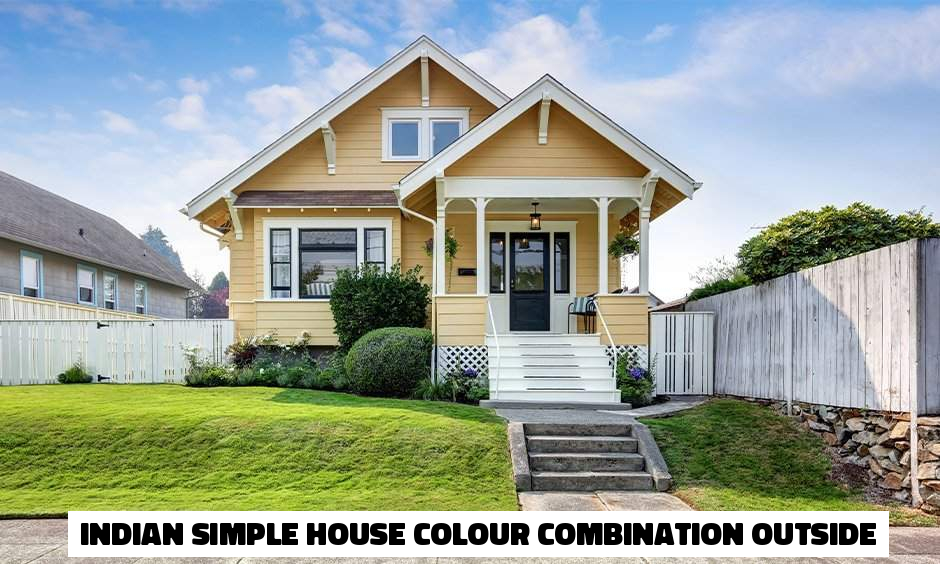
3. Yellow & Brown – Traditional but Energetic
If you want your home to look cheerful without being loud, this is a strong choice.
Yellow adds positivity. Brown balances it.
Works well for:
- Homes with decorative mouldings
- Traditional Indian elevations
- Houses in smaller towns where brighter tones are appreciated
Practical advice:
Choose pastel yellow, not bright school-bus yellow. Strong yellow fades quickly under harsh Indian sun.
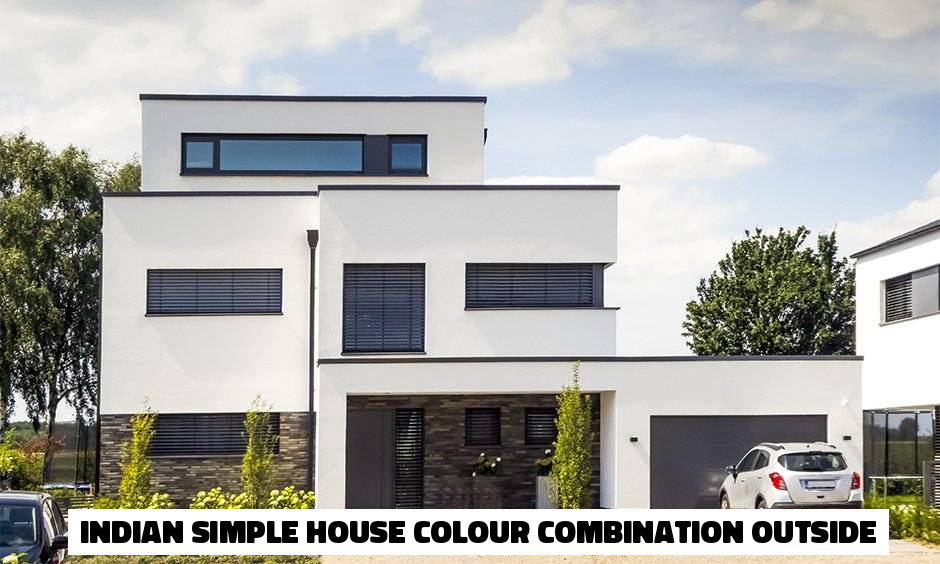
4. Grey – Modern and Minimal
Grey has become extremely popular in urban India.
It gives a sleek, architectural feel — especially for box-style elevations.
Best for:
- Modern villas
- Duplex homes
- Urban independent houses
What most people get wrong:
Using only one shade of grey. That makes the house look flat.
Correct approach:
Use light grey as base + charcoal for borders + wooden texture panels for warmth.
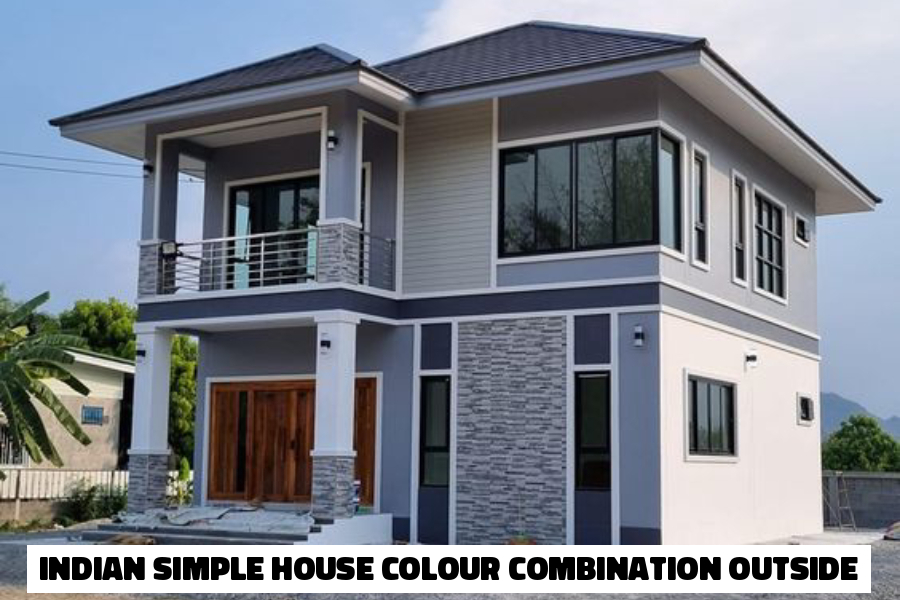
5. White & Slate Grey – Balanced and Sophisticated
This is perfect if you want a premium but not flashy look.
White keeps the house light. Slate grey adds contrast.
Best suited for:
- Metro city homes
- Contemporary elevations
- Gated community villas
Professional tip:
Add warm lighting near the entrance. Grey tones look 10x better with warm exterior lights at night.
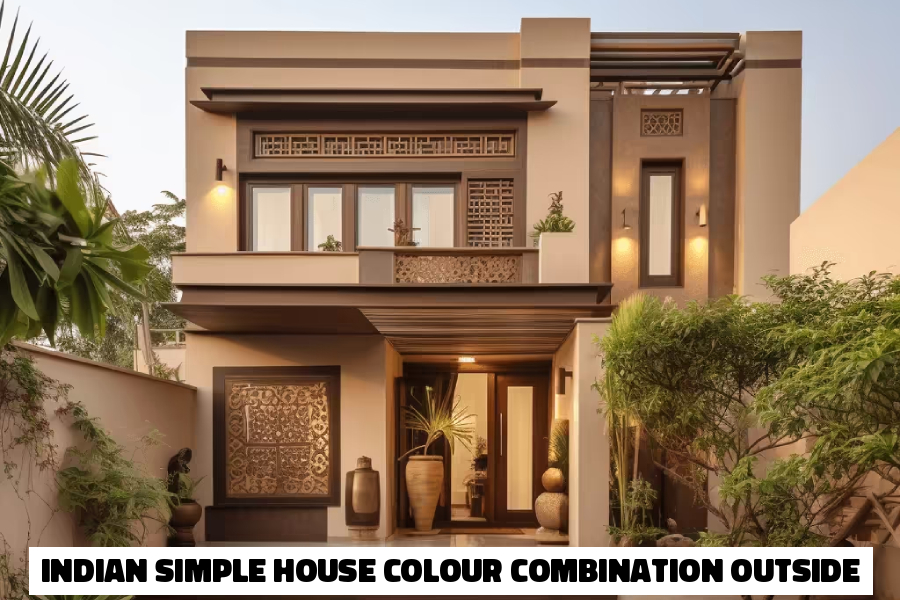
6. Shades of Brown – Earthy and Warm
Different tones of brown create a very grounded look.
This works beautifully for homes surrounded by greenery or natural stone landscaping.
Best for:
- Farmhouses
- Homes near hills or open plots
- Nature-inspired architecture
Material pairing idea:
Combine brown exterior paint with stone cladding and wooden doors for a premium feel.
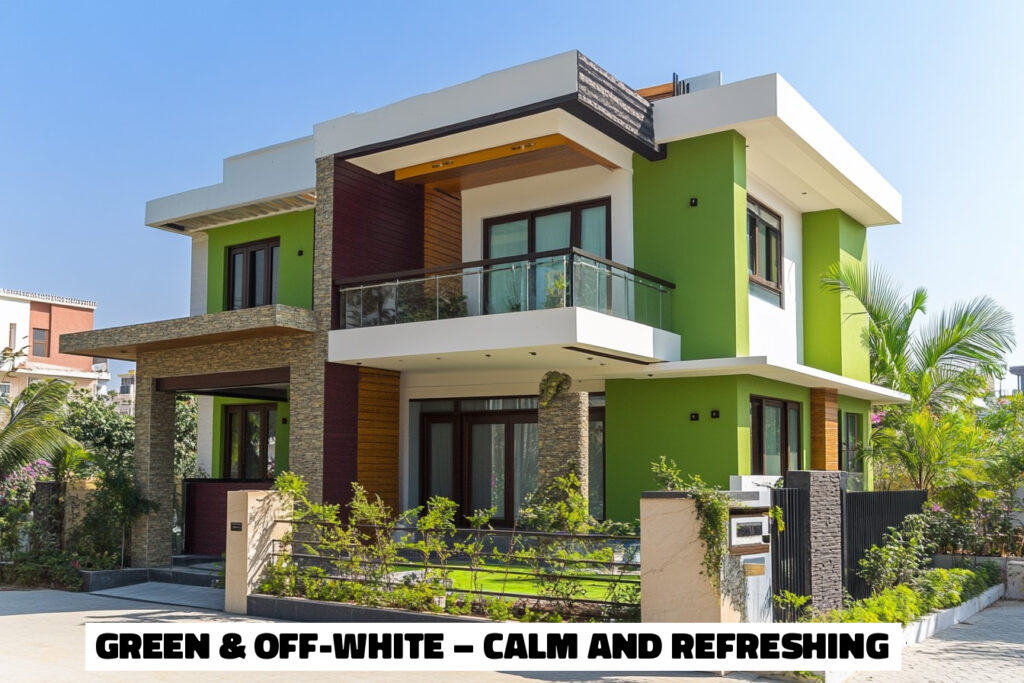
7. Green & Off-White – Calm and Refreshing
Green is underrated for exteriors.
When paired with off-white, it feels peaceful and connected to nature.
Best choice for:
- Homes with gardens
- Semi-rural areas
- Eco-friendly designs
Important:
Use olive or sage green. Avoid bright green — it looks artificial and fades unevenly.
8. Beige – The All-Rounder
Beige is safe. Elegant. Flexible.
It works with almost any architectural style.
Best for:
- Budget-friendly exterior upgrades
- Rental properties
- Homes where resale value matters
Beige doesn’t go out of trend quickly. That’s its biggest strength.
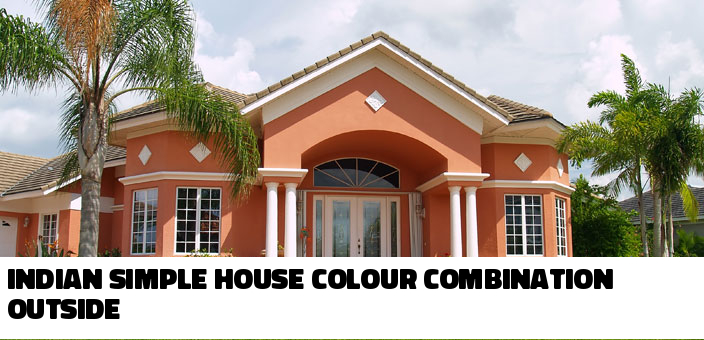
9. Peach – Soft and Welcoming
Peach gives warmth without being loud.
It’s perfect for families who want something different but not bold.
Best for:
- Smaller houses
- Warm climate regions
- Front elevations with limited detailing
Pair peach with white trims to keep it elegant.
10. Navy Blue & Wood – Bold and Premium
This is for homeowners who want a strong statement.
Navy blue creates depth. Wood textures add warmth and luxury.
Best suited for:
- Modern villas
- Contemporary duplex homes
- Designer elevations
Reality check:
This works only if the architecture supports it. On a basic structure, dark colours can feel overpowering.
11. Black – Modern Statement Choice
Yes, black exteriors are trending.
But they are not for everyone.
Best for:
- Ultra-modern box elevations
- Homes with large glass panels
- Luxury villas
Practical caution:
Black absorbs heat. In hot Indian cities, this needs proper insulation planning.
- Indian Simple House Colour Combination Outside
- Peacock Green Colour
- Maroon Colour Combination
- Bed Room Wall Colour Combination
- Bed Room 2 Colour
Trending Exterior Colour Combinations in India (2024)
Here are combinations I see working consistently across projects:
White & Royal Blue
Elegant. Sharp. Clean.
Beige & Terracotta
Traditional Indian warmth. Perfect for bungalows.
Pastel Yellow & White
Bright but balanced.
Grey & Charcoal
Urban and luxury.
Olive Green & Cream
Nature-inspired and peaceful.
How to Choose the Right Exterior Colour (Practical Checklist)
Before finalising:
1. Consider Climate
Hot region? Use lighter shades.
Heavy rainfall area? Avoid very light paint that stains easily.
2. Check Surroundings
Your home should complement neighbouring houses, not clash with them.
3. Study Architecture
Traditional elevation → Earthy tones
Modern elevation → Greys, blues, bold contrasts
4. Think Long-Term Maintenance
Very light colours need frequent cleaning.
Very dark colours fade faster under strong sun.
5. Test Before Final Painting
Always apply a 2×2 ft sample patch on the wall and observe it in morning, afternoon, and evening light.
Paint shades look very different under sunlight compared to a catalogue.
Final Thoughts
A good exterior colour combination does three things:
- Enhances architecture
- Handles climate well
- Stays appealing for years
Don’t just follow trends. Follow what suits your structure, region, and lifestyle.
If you choose wisely, your home will not just look good — it will feel right every time you walk through the gate.

Leave a Reply