
After a long, draining day, when you finally close the bedroom door behind you, what you’re really looking for is calm. Not décor for Instagram. Not trends for the sake of trends. You want a space that genuinely helps you slow down, breathe better, and feel like yourself again.
Upon retreating to your bedroom after a long and tiring day, you seek peace and rejuvenation. Your bedroom is your sanctuary, a space to unwind, recharge, and dream. And from what I’ve seen working on real homes—not styled show flats—the fastest way to change how a bedroom feels is by getting the walls right.
In my experience, people underestimate wall colours. Furniture can be replaced slowly, but wall colours quietly influence your mood every single day. Mere experience me, jab clients sirf bed ya curtains pe focus karte hain, room kabhi complete feel nahi hota. Hamne ye method test kiya hai—pehle wall palette finalize karo, phir baaki decisions naturally align ho jaate hain.
A meticulously selected wall palette can transform a simple room into one that exudes serenity, passion, and inspiration. Whether you gravitate towards bold, dramatic hues or prefer the understated elegance of muted tones, the right combination adds depth and a story to your space, not just colour.
Below are trending room colour combinations that don’t just look good on a sample card—they work in real bedrooms, real lighting, and real daily routines.
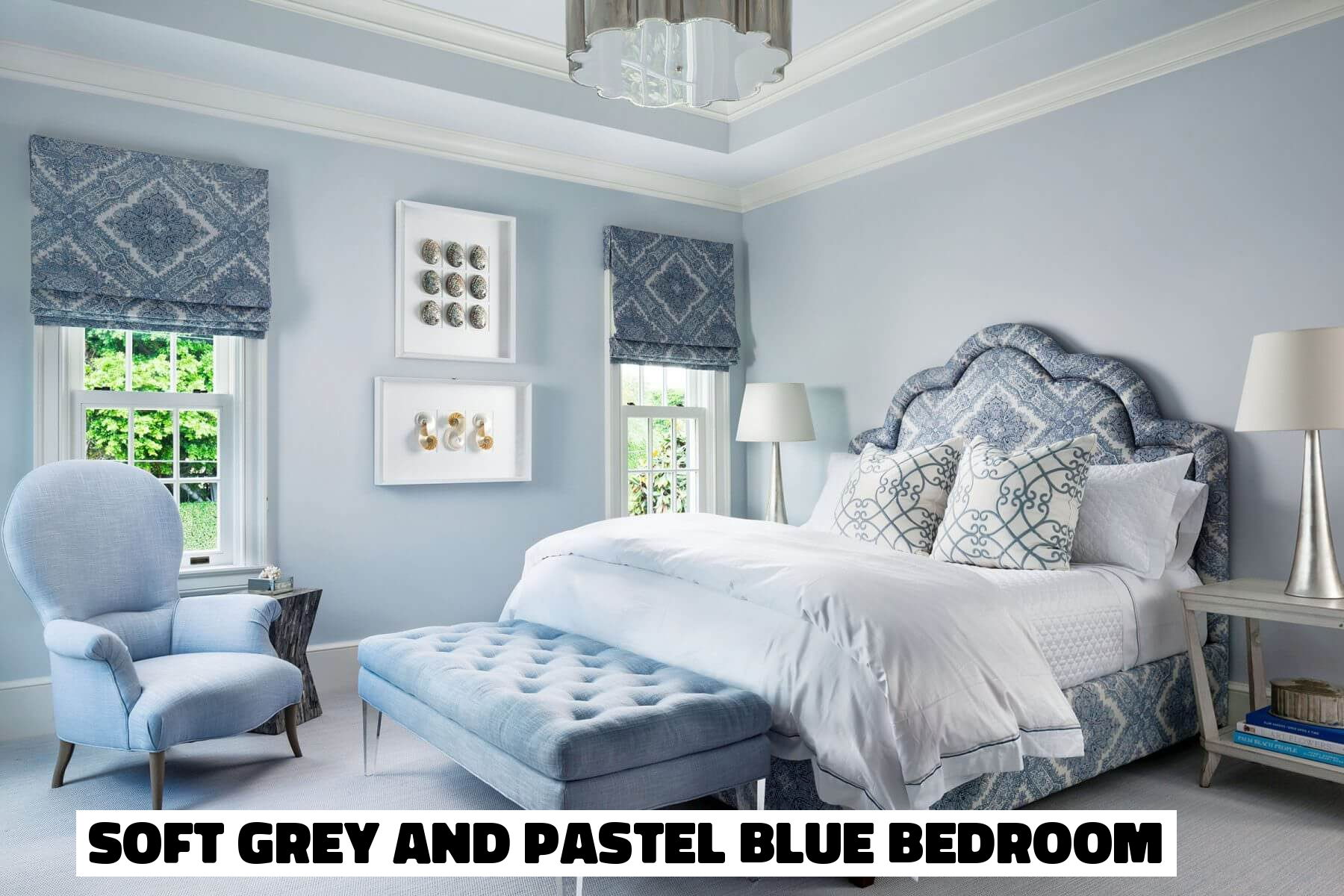
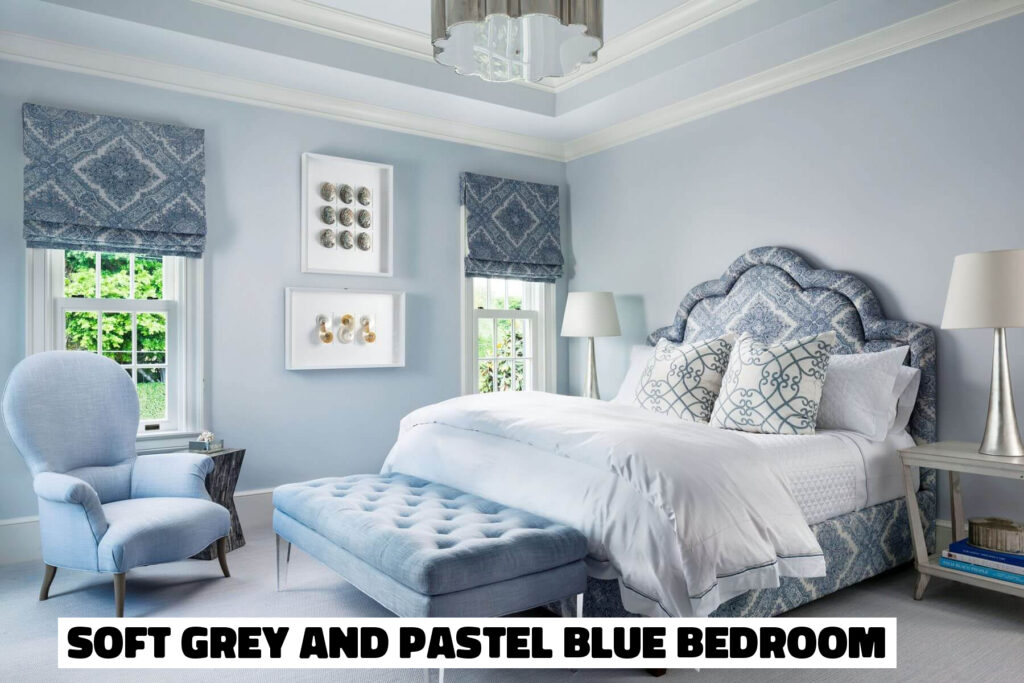
Soft Grey and Pastel Blue
This combination works beautifully for people who want calm without boredom. Soft grey acts as a grounding base, while pastel blue brings in airiness. I’ve seen this pairing perform especially well in city apartments where outside noise and visual clutter are constant.
We tested this on a mid-sized bedroom with north-facing light. Grey on three walls, pastel blue on the headboard wall—it immediately reduced the harshness of artificial lighting at night.
Actionable tip: Keep your bed linen white or light beige. Dark fabrics kill the softness of this combo.
Muted Lavender and Warm Beige
Muted lavender doesn’t scream “purple”—it whispers comfort. When paired with warm beige, it feels balanced rather than overly romantic. This is ideal if you want a refreshing change but are scared of bold colours.
In my experience, this combo works best with warm lighting (2700K–3000K). Cool white lights make lavender look dull.
Mere experience me, jab lavender ko soft texture (linen curtains, upholstered headboard) ke saath use kiya jata hai, room instantly premium lagta hai.
Charcoal and Blush Pink
This is for people who like contrast but still want elegance. Charcoal adds drama, blush pink softens it. I’ve used this in minimalist bedrooms where furniture is limited but impact is required.
Hamne ye method test kiya—charcoal only on one wall, blush pink on the remaining walls. Full charcoal makes the room heavy unless there’s massive natural light.
Pro advice: Add brass or matte gold accents; they tie the palette together effortlessly.
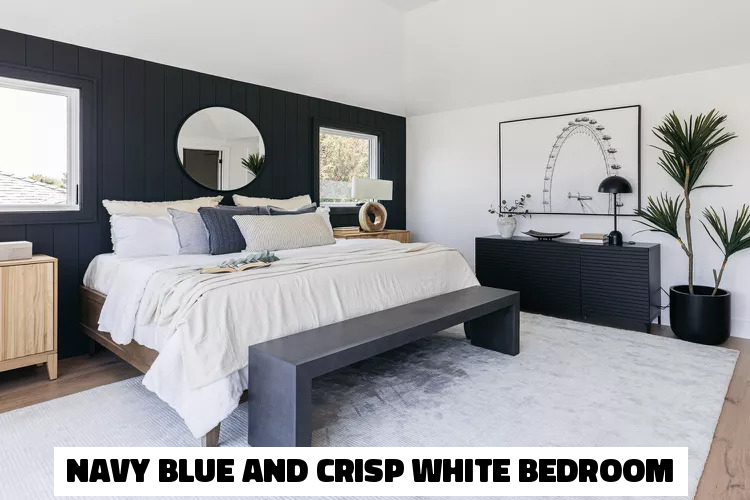
Navy Blue and Crisp White
This is a classic that refuses to age. Navy blue works brilliantly as a feature wall behind the bed, while white keeps the room from feeling closed in.
We tested this on a guest bedroom that lacked personality. Just changing one wall to navy made the room feel hotel-like.
Actionable tip: Avoid pure bright white. Slightly muted whites feel warmer and more inviting at night.
Warm Taupe and Coral
Taupe is underrated. It’s neutral but far more forgiving than grey. Coral adds energy without shouting. This pairing works well for people who want calm with a hint of positivity.
In my experience, coral should be used sparingly—niches, one wall, or even wall panels. Too much coral overwhelms quickly.
Mere experience me, taupe ke saath coral ka matte finish glossy se zyada classy lagta hai.
Forest Green and Cream
This combination creates a retreat-like atmosphere. Forest green grounds the room, cream keeps it breathable. Perfect for bedrooms with good daylight.
Hamne ye method test kiya in a villa bedroom with large windows—green walls actually made the outdoor view feel closer.
Tip: Add wooden furniture or cane elements to enhance the natural vibe.
Teal and Grey
Teal brings personality; grey keeps it structured. This pairing suits people who enjoy a bold accent but don’t want chaos.
In my experience, teal works best as an accent wall paired with soft grey on the rest.
We tested this on a client who loved colour but feared commitment—accent walls are a safe entry point.
Soft Peach and Ivory
Soft peach feels warm and welcoming without being overpowering. Ivory balances it with elegance. This works exceptionally well in smaller bedrooms.
Mere experience me, peach ke saath gold accents ya brass lamps add instant richness without spending much.
Tip: Satin or eggshell finish enhances the softness of this palette.
Sunny Yellow and Sage Green
This pairing is cheerful yet grounded. Yellow uplifts, sage calms. It’s ideal for people who struggle with low energy in the mornings.
Hamne ye method test kiya in a bedroom that doubled as a work-from-home space—it kept the room lively during the day and calm at night.
Advice: Keep yellow on one wall only; sage should dominate.
Off White and Earthy Brown
Timeless, safe, and incredibly comforting. Off white brightens the space; earthy brown adds warmth and depth.
In my experience, this is perfect for compact bedrooms or rented homes where flexibility matters.
Mere experience me, brown tones look best in matte finishes—glossy browns feel dated fast.
Pink Two Colour Combination for Bedroom Walls
Pink two colour combinations for bedroom walls work beautifully when you want warmth without making the space feel overly sweet or childish. In my experience, pairing soft pink with neutral tones like grey, ivory, or beige creates a balanced look that feels mature and calming. We tested this on bedrooms where clients wanted a touch of colour but still needed a restful atmosphere—blush pink on one wall with a muted neutral on the others did the trick. Mere experience me, pink tabhi elegant lagta hai jab usse right secondary colour ke saath balance kiya jaye. Hamne ye method test kiya hai, aur yeh combination bedrooms ko cosy, welcoming, aur visually soothing bana deta hai without overpowering the space.
Final Thoughts: Designing a Bedroom That Feels Like You
Your bedroom isn’t just another room—it’s where your day ends and begins. The colours you choose quietly shape your mood, sleep quality, and even how rested you feel in the morning.
We tested this across multiple homes—when wall colours align with personal comfort rather than trends, people genuinely feel happier in their space. Tools like Colour Quiz and Imagine Machine help visualise choices, and services like PaintCraft simplify execution, but the real magic lies in choosing colours that resonate with your lifestyle.
In my experience, the best bedroom isn’t the most expensive one—it’s the one that feels right the moment you step inside.

Leave a Reply